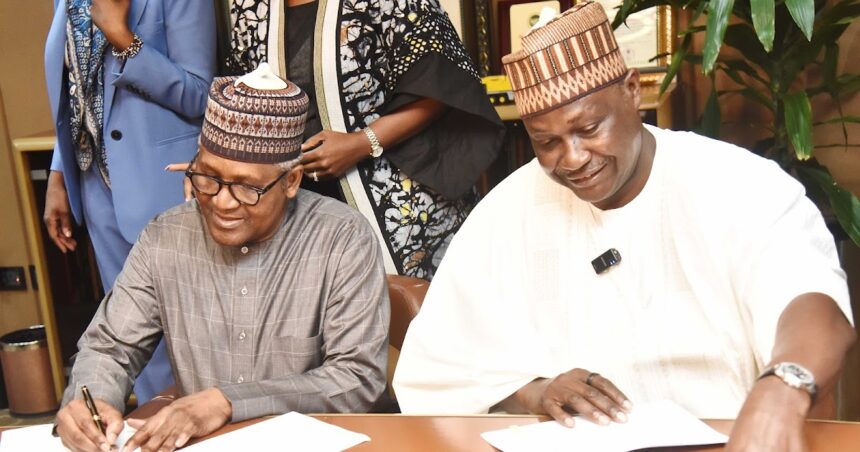
Africa Finance Corporation (AFC) Supports US$7 Billion Dangote Fertiliser Expansion to Enhance Africa’s Food Security
Africa Finance Corporation (AFC) (www.AfricaFC.org), Africa’s leading infrastructure solutions institution, is supporting a US$7 billion fertiliser expansion initiative by Dangote Group aimed at tripling production capacity in Nigeria while establishing a significant new manufacturing base in Ethiopia. As a key component of the programme, AFC is providing a US$600 million financing facility to Greenview Fertiliser Corp. (Greenview), Dangote’s fertiliser holding…

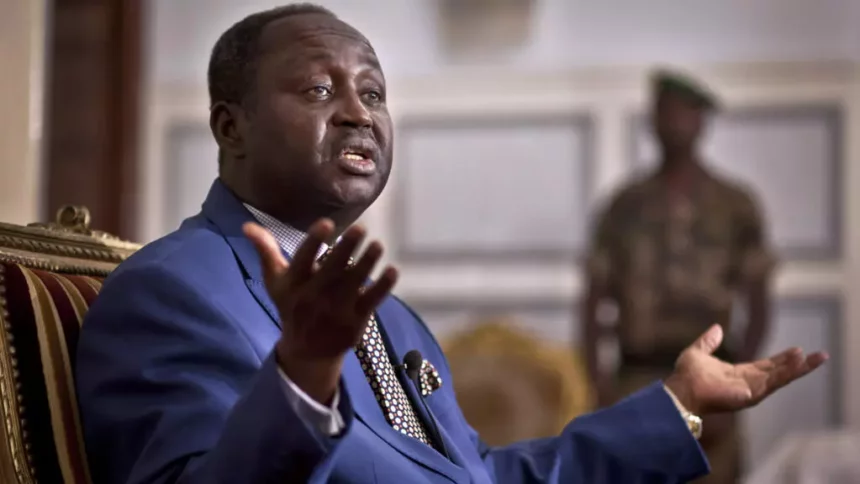
Trial Opens for Former Central African Republic President Bozizé on War Crimes Charges
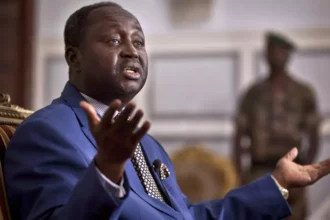
A United Nations-backed court in the Central African Republic is set to begin the trial in absentia of former president François Bozizé on Tuesday, over allegations of crimes against humanity committed between 2009 and 2013. The charges relate to alleged offences carried out by members of Bozizé’s security apparatus, including murder, enforced disappearances, torture, and rape. Bozizé, now 79 years…
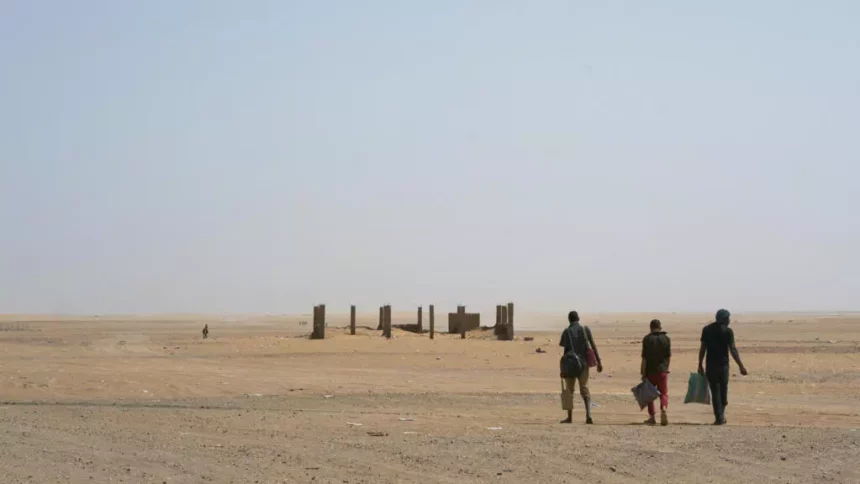
Nearly 50 People Die of Thirst in Niger After Vehicle Breaks Down in Remote Sahara Desert
Forty-nine people lost their lives from dehydration in Niger after the truck transporting them became stranded in a remote section of the Sahara Desert, leaving passengers without access to water. Two survivors managed to walk approximately 50 kilometres across the harsh desert terrain to reach a water source before continuing to the town of Assamaka, where they alerted local authorities.…
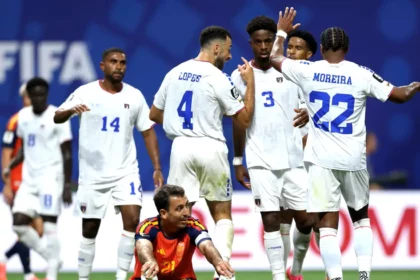
FIFA World Cup 2026: Cape Verde Produce Defensive Heroics to Earn Historic Draw Against European Champions Spain
Cape Verde delivered one of the most memorable performances in the nation’s…
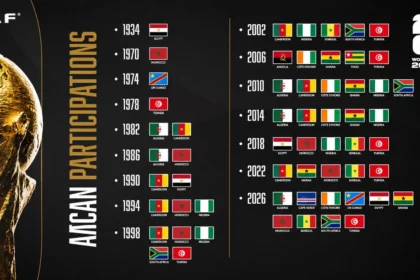
It’s Time for Africa: FIFA World Cup 2026 Begins With Record 10 Teams Representing the Continent
Africa will make history at the FIFA World Cup 2026 as 10…
Dikembe Unchained: Mutombo’s GEICO Commercial
Dikembe Mutombo (Photo credit: Doha Stadium Plus) Congolese basketball player Dikembe Mutombo…







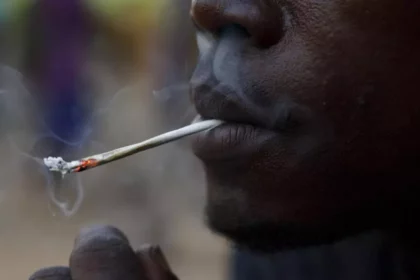
How India’s Pharmaceutical Supply Chain Is Driving West Africa’s Opioid Crisis
Countries across West Africa, including Sierra Leone, Togo, Ghana, Nigeria, and several others, are facing a growing but often overlooked…

Casawe Youth In Action and SDGs
Casawe Youth In Action and SDGs William Jackson, M.Ed. My Quest To Teach Podcaster, Blogger, Educator, Speaker Zakaria Laajily, (Morocco),…

Reducing the Cost of Africa’s Energy Transition Through the Right Flexibility Mix
OPED by Kenneth Engblom, Vice President, Wärtsilä Energy, Europe and Africa Why…
How India’s Pharmaceutical Supply Chain Is Driving West Africa’s Opioid Crisis
Countries across West Africa, including Sierra Leone, Togo, Ghana, Nigeria, and several…
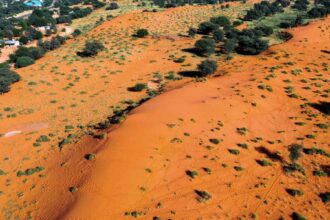

Black porters in Uganda’s Tourism Industry; Service provision or colonialism?
Bwindi Impenetrable National Park Uganda- Porters carrying tourists This photo of porters…

Safari Season Has Arrived – And It Offers More Than Wildlife Encounters
How Kruger National Park Inspires Curious Travellers During Winter Winter in South…
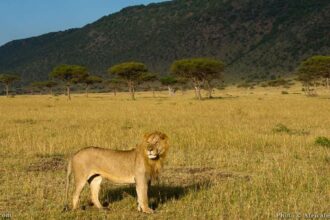
It Is High Time Tanzania Destroyed Its Ivory Stockpile
After the election of John Pombe Magufuli as president, a number of…

Nigeria: Healthcare and Health Tourism
Nigeria needs no introduction-it is a Federal Constitutional Republic and it’s Federal…

Africa: A continent Of Many Contrasts
A recent study carried out by the Economic Commission For Africa and…

Reducing the Cost of Africa’s Energy Transition Through the Right Flexibility Mix
OPED by Kenneth Engblom, Vice President, Wärtsilä Energy, Europe and Africa Why…
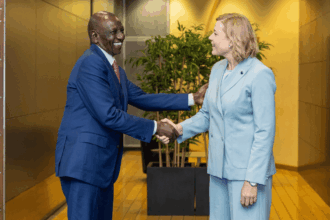
Kenya Secures €102 Million in EU Funding to Accelerate Digital Transformation
Kenya has secured a substantial €102 million funding package (approximately KSh 15.3…

Zimbabwe’s funny money: Bane or boon
Six months after it first announced the bond notes, Zimbabwe, at the…
Reducing the Cost of Africa’s Energy Transition Through the Right Flexibility Mix
OPED by Kenneth Engblom, Vice President, Wärtsilä Energy, Europe and Africa Why…
Kenya Secures €102 Million in EU Funding to Accelerate Digital Transformation
Kenya has secured a substantial €102 million funding package (approximately KSh 15.3…
Zimbabwe’s funny money: Bane or boon
Six months after it first announced the bond notes, Zimbabwe, at the…
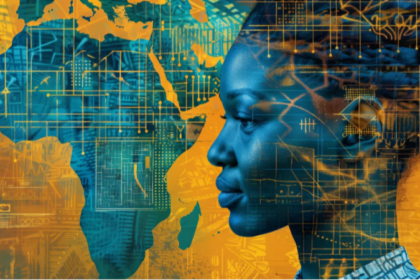
Africa’s AI Challenge Has Moved Beyond Awareness. The Real Test Is Investability
The conversation around artificial intelligence in Africa has reached a new stage…
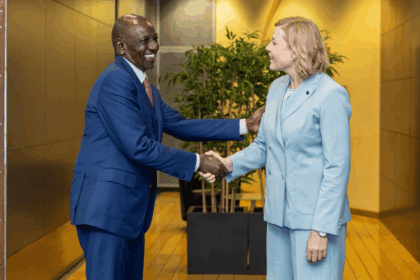
Kenya Secures €102 Million in EU Funding to Accelerate Digital Transformation
Kenya has secured a substantial €102 million funding package (approximately KSh 15.3…

Winner Takes All: How Multinational Corporations Violate Economic Human Rights in Developing Countries
When the topic of human rights comes up in conversation, many people…